

Are raisins a good natural sweetener?
Oct 15, 2026
Raisins, the sun-dried version of grapes, have long been a staple in kitchens around the world. They're often used in baking, cooking, and even as a standalone snack. But when it comes to being a natural sweetener, are raisins truly a good choice? As a supplier of natural sweeteners, I've delved deep into the world of these dried fruits to understand their merits and drawbacks as a sweetening agent.
Nutritional Profile of Raisins
Raisins are a nutrient - dense food. They are a good source of natural sugars, primarily glucose and fructose, which give them their sweet taste. A quarter - cup serving of raisins contains about 21 grams of sugar. However, they also come packed with other essential nutrients. They are rich in dietary fiber, which aids in digestion and helps maintain a healthy gut. A quarter - cup serving provides about 2 grams of fiber.
In addition to fiber, raisins are a good source of several vitamins and minerals. They contain significant amounts of potassium, which is crucial for heart health and proper muscle function. They also have iron, which is essential for oxygen transport in the body, and antioxidants like polyphenols. These antioxidants help protect the body against oxidative stress and may reduce the risk of chronic diseases such as heart disease and certain types of cancer.
Advantages of Using Raisins as a Natural Sweetener
1. Natural and Unprocessed
One of the biggest advantages of using raisins as a sweetener is that they are a natural product. Unlike many artificial sweeteners, raisins do not undergo extensive chemical processing. They are simply grapes that have been dried in the sun or through a dehydrating process. This makes them a more appealing option for those who prefer to consume whole, unprocessed foods.
2. Flavor Complexity
Raisins offer a unique flavor profile that goes beyond simple sweetness. They have a rich, caramel - like taste with a hint of tartness. This complexity can enhance the flavor of a wide range of dishes, from baked goods to savory stews. For example, in a spice cake, the raisins not only add sweetness but also a depth of flavor that complements the spices. In a lamb stew, they can balance out the savory flavors with their natural sweetness.
3. Nutritional Benefits
As mentioned earlier, raisins are packed with nutrients. When used as a sweetener, they can add nutritional value to the foods they are added to. For instance, in a smoothie, adding a handful of raisins can boost the fiber, potassium, and antioxidant content. This is in contrast to many refined sugars, which provide only empty calories.
4. Long Shelf Life
Raisins have a relatively long shelf life compared to fresh fruits. This makes them a convenient sweetening option, especially for those who do not have access to fresh produce year - round. They can be stored in a cool, dry place for several months without spoiling, allowing for easy use in cooking and baking at any time.
Disadvantages of Using Raisins as a Natural Sweetener
1. High Sugar Content
While the sugar in raisins is natural, they still have a relatively high sugar content. A small serving can contain a significant amount of calories from sugar. This can be a concern for those who are trying to manage their blood sugar levels, such as people with diabetes. Consuming too many raisins can cause a rapid spike in blood sugar, followed by a crash.
2. Calorie Density
Raisins are calorie - dense due to their high sugar and low water content. A small amount of raisins can pack a lot of calories. This can be a problem for individuals who are trying to lose weight or maintain a healthy weight. For example, a quarter - cup of raisins contains about 129 calories, which is more than the calories in a whole cup of fresh grapes.
3. Potential for Allergies
Although rare, some people may be allergic to raisins or grapes. Allergic reactions can range from mild symptoms such as itching and hives to more severe reactions like difficulty breathing. This limits the use of raisins as a sweetener for those with grape allergies.
Comparing Raisins with Other Natural Sweeteners
1. Honey
Honey is another popular natural sweetener. It also has a unique flavor and some nutritional benefits, such as antibacterial and anti - inflammatory properties. However, honey is higher in calories than raisins per gram. On the other hand, honey has a lower glycemic index than raisins, which means it causes a slower rise in blood sugar levels.
2. Maple Syrup
Maple syrup is derived from the sap of maple trees. It has a distinct, rich flavor and contains some minerals like manganese and zinc. Similar to raisins, it is a natural product. However, maple syrup is more expensive than raisins and has a higher glycemic index.
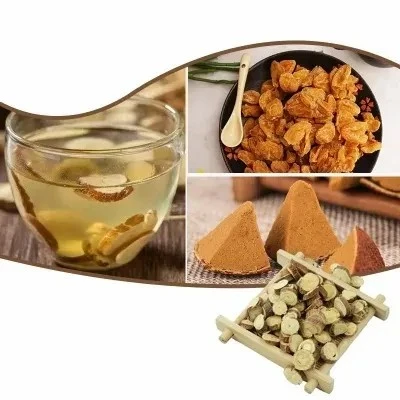
3. Licorice Extract
Licorice extract is a natural sweetener with a unique flavor. It has been used in traditional medicine for its potential health benefits. Unlike raisins, licorice extract is much sweeter, so less is needed to achieve the same level of sweetness. However, excessive consumption of licorice extract can have negative health effects, such as high blood pressure.
Applications of Raisins as a Sweetener
1. Baked Goods
Raisins are a classic addition to many baked goods, such as cookies, cakes, and bread. They add moisture, sweetness, and flavor. In oatmeal raisin cookies, for example, the raisins plump up during baking, creating a soft, chewy texture.
2. Beverages
Raisins can be used to sweeten beverages like smoothies and teas. In a fruit smoothie, they can add natural sweetness and a boost of nutrients. In a spiced tea, they can enhance the flavor and provide a touch of sweetness without the need for added sugar.
3. Savory Dishes
As mentioned earlier, raisins can be used in savory dishes to balance out the flavors. In Middle Eastern cuisine, raisins are often used in rice dishes and meat stews. They add a sweet note that complements the spices and savory ingredients.
Conclusion
In conclusion, raisins can be a good natural sweetener, but they come with both advantages and disadvantages. Their natural and unprocessed nature, flavor complexity, and nutritional benefits make them an appealing option for many. However, their high sugar content, calorie density, and potential for allergies are factors that need to be considered.
If you're interested in exploring raisins or other natural sweeteners for your food products, we're here to help. As a supplier of natural sweeteners, we can provide you with high - quality raisins and other options like High Quality Food Ingredient Xanthan Gum CAS 11138 - 66 - 2 Manufacturer and Factory Price Food Grade Xanthan Gum 80mesh 200mesh ISO KOSHER HALAL HACCP. We're ready to discuss your specific needs and help you find the best natural sweetening solutions for your business. Contact us to start the procurement discussion and take your food products to the next level.

References
- USDA National Nutrient Database for Standard Reference
- American Diabetes Association
- Harvard School of Public Health