

Proteins
Your Professional Proteins Supplier!
Tianjin Wanhui Biotechnology Co., Ltd. established in 2024, specializes in the production and development of cocoa butter, cocoa powder, whey protein, and food additives. Committed to strict quality control and attentive customer service, we focus on the production and development of cocoa butter products. We warmly welcome overseas customers to establish long-term partnerships.
-
![Wholesale Price Hydrolyzed Milk Protein 80%~98% Hydrolyzed Milk Protein Powder]()
Wholesale Price Hydrolyzed Milk Protein 80%~98% Hydrolyzed Milk Protein Powder
Hydrolyzed milk protein is a product of breaking down milk protein into small
-
![High-Purity Hydrolyzed Milk Protein For Functional Foods, Nutritional Supplements And Cosmetic Formulations]()
Hydrolyzed milk protein is a product of breaking down milk protein into small
-
![Pure Natural Milk Proteins Powder 99% Food Additive Hydrolyzed Milk Proteins]()
Pure Natural Milk Proteins Powder 99% Food Additive Hydrolyzed Milk Proteins
Hydrolyzed milk protein is a product of breaking down milk protein into small
-
![The Source Factory Has An Adequate Supply Of Food-Grade Hydrolyzed Milk Protein.]()
The Source Factory Has An Adequate Supply Of Food-Grade Hydrolyzed Milk Protein.
Hydrolyzed milk protein is a product of breaking down milk protein into small
-
![High Protein Food Additives Wheat Protein Powder]()
High Protein Food Additives Wheat Protein Powder
Wheat protein is a byproduct of wheat starch processing, with a protein content
-
![High-Quality Wheat Protein For Functional Food Production]()
High-Quality Wheat Protein For Functional Food Production
Wheat protein is a byproduct of wheat starch processing, with a protein content
-
![Factory Price High Protein Food Grade Vital Wheat Gluten /Wheat Protein]()
Factory Price High Protein Food Grade Vital Wheat Gluten /Wheat Protein
Wheat protein is a byproduct of wheat starch processing, with a protein content
-
![Organic Wheat Extract Powder 82% Vital Wheat Protein Flour Gluten]()
Organic Wheat Extract Powder 82% Vital Wheat Protein Flour Gluten
Wheat protein is a byproduct of wheat starch processing, with a protein content
-
![Hydrolyzed Yeast Protein Powder Source Factory Vegetarian Protein Powder Raw Material]()
Hydrolyzed Yeast Protein Powder Source Factory Vegetarian Protein Powder Raw Material
Hydrolyzed yeast protein is a microbial protein product extracted and isolated
-
![Hydrolyzed Yeast Protein Powder That Promotes Growth And Development]()
Hydrolyzed Yeast Protein Powder That Promotes Growth And Development
Hydrolyzed yeast protein is a microbial protein product extracted and isolated
-
![High Quality Food Grade Hydrolyzed Yeast Protein]()
High Quality Food Grade Hydrolyzed Yeast Protein
Hydrolyzed yeast protein is a microbial protein product extracted and isolated
-
![Sowu Supply 98% Protein Hydrolyzates, Yeast CAS 100684-36-4]()
Sowu Supply 98% Protein Hydrolyzates, Yeast CAS 100684-36-4
Hydrolyzed yeast protein is a microbial protein product extracted and isolated


Why Choose Us
Professional Certifications
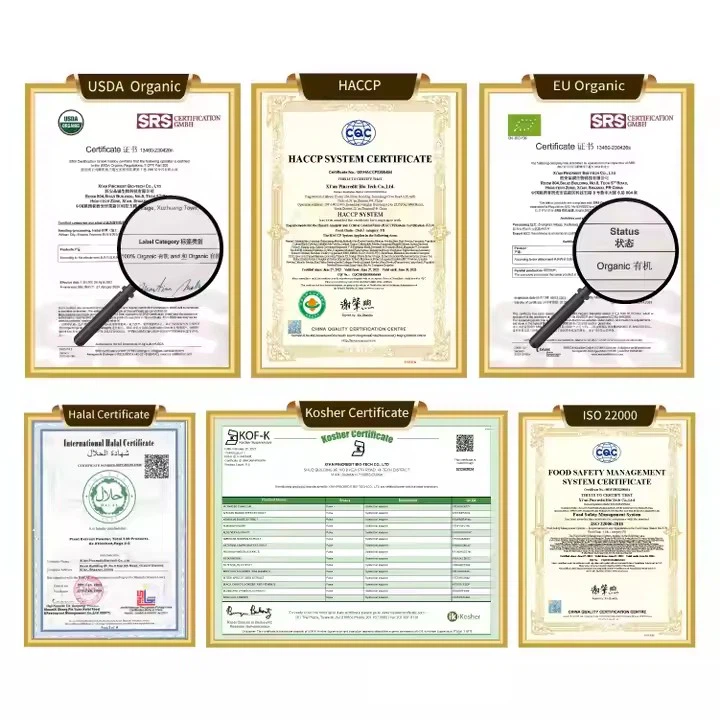
We have obtained multiple international certifications, including SGS, HALAL, and KOSHER, as well as ISO 22000 Food Safety Management System certification, ensuring that our products meet global food safety and religious standards.
Professional Team
We have a technical R&D team composed of professionals in food science, chemical engineering, biotechnology, and other fields with extensive professional backgrounds and industry experience.
OEM and ODM Services
We are committed to providing high-quality OEM and ODM services by relying on strict quality control systems and attentive customer service to meet our customers' personalized needs.
Advanced Equipment
We are equipped with advanced raw material pre-treatment, pressing, and refining equipment along with modern automated control systems to ensure precise and efficient production processes; thereby comprehensively improving product quality stability and production efficiency.
Specification
|
Item |
Index |
|
|
Calcium Lactate Content (C6H10CaO6) (in dry basis), % |
98.0-101.0 |
|
|
Dry weight loss, % |
Pentahydrate |
22.0-27.0 |
|
Anhydride ≤ |
3.0 |
|
|
Calcium content, % |
Pentahydrate ≥ |
13 |
|
Anhydride ≥ |
18 |
|
|
Water soluble |
Passed Test |
|
|
Free acids and free bases |
Passed Test |
|
|
Volatile fatty acid |
Passed Test |
|
|
Chloride (CI) / % |
0.05 |
|
|
Sulfate (SO4 meter) / % |
0.075 |
|
|
Fluoride (F meter) / % |
0.0015 |
|
|
Magnesium and alkali metals, / % |
1.0 |
|
|
Iron (Fe meter) / % |
0.005 |
|
|
Lead (in Pb) mg/kg |
10.0 |
|
|
Heavy metal (in Pb) mg/kg |
20 |
|
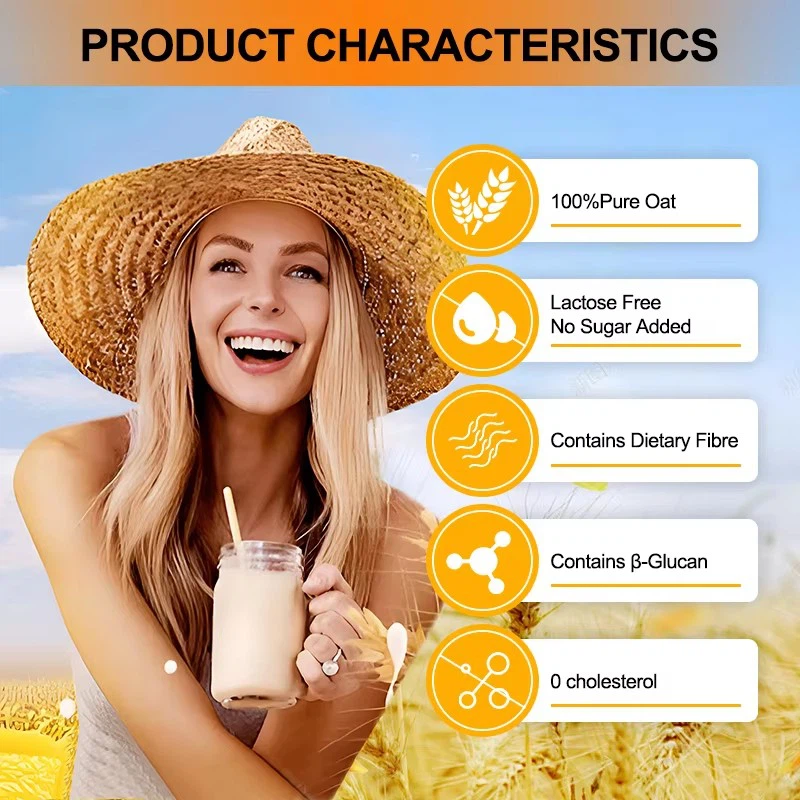
Convenience: Protein powder can be incredibly convenient for busy lifestyles, allowing you to meet your protein needs without meal prep.
Versatility: You can mix protein powder into shakes, smoothies or various recipes, from pancakes to protein bars.
Nutritional Balance: For those with dietary restrictions, protein powder can help balance protein intake without relying on animal products or high-fat foods. It can be especially useful for vegetarians, vegans and those with dairy intolerances.
Post-workout Recovery: Protein powder can help athletes and fitness enthusiasts who need quick muscle repair after workouts.
Weight Management: High-protein diets May help weight management by increasing satiety, reducing hunger and boosting metabolism in combination with a healthy balanced diet.
Muscle Growth: A concentrated protein source May help build and maintain muscle mass, particularly in combination with resistance training and a balanced diet.
Our Best-Selling Proteins Types
Mammalian Proteins
Mammalian Proteins is a dietary supplement derived from the first milk produced by cows shortly after giving birth. This nutrient-rich fluid contains high levels of antibodies, proteins, growth factors, and other bioactive compounds that are beneficial for health.
Aquatic Proteins
Aquatic Proteins are a versatile source of protein and an important element of healthy nutrition. Their nutritional and physiological properties promote the health of bones and joints, and contribute to beautiful skin. The product Fish Collagen Peptides can be obtained from fish skin gelatin (Fish Collagen Peptide).
Plant Base Proteins
Plant Base Proteins are extracted from oats, which contain a variety of substances that can lower cholesterol, such as monounsaturated fatty acids, soluble dietary fiber and so on. It has the function of effectively removing skin surface redness, and has a good nursing effect on allergic skin.
The Process of Making Proteins
Protein powders begin their journey with the selection of high-quality raw materials.
The choice of raw material significantly influences the protein's nutritional profile and digestibility.
The next step involves extracting the protein from these raw materials.
This involves a dry phase of grinding into a fine powder and a liquid phase for separating unwanted components.
Animal-based proteins, like whey, start with heating milk to remove bacteria, followed by straining and enzyme treatment to isolate the protein.
After extraction, the protein undergoes concentration and purification processes.
For whey protein, this means filtering out lactose and fats.
In the case of plant proteins, further steps are taken to remove substances like fiber and starch, ensuring a high protein concentration.
The concentrated protein is then dried and pulverized into a fine powder.
This step is what gets you the right texture and solubility, making the protein powder easy to mix with liquids.
The drying process is carefully controlled to keep the protein's integrity and nutritional quality.
In-depth quality checks ensure the protein powder meets health and safety standards.
This includes testing for protein content, purity, and the absence of contaminants, guaranteeing a safe and effective product.
The Do's of Proteins Storage
Keep it Dry
Moisture is protein biggest enemy. It can cause clumping, bacterial growth, and degradation of the powder's quality. Ensure that your container or bag is airtight to keep moisture out.
Avoid Heat
Exposure to heat can cause your protein powder to denature, which can decrease its quality and nutritional value. Keep it away from direct sunlight and any sources of heat in your kitchen.
Store it in a Cool Place
Storing your protein powder in a cool place is crucial for maintaining its freshness. A pantry or cabinet away from the stove or oven are good options.
Use a Clean Scoop
Always use a clean and dry scoop to measure out your protein powder. Any moisture or bacteria on the scoop can contaminate the powder and decrease its shelf life.
Determining Whether Proteins Are Deteriorating
Rancid or sour smells
Bitter taste
Changes in color
Clumping or wet lumps
Our Service
Before Sale
We have a professional sales team to analyze and introduce the products.
During the Sale Process
We have a professional logistics and service technology team.
After Sale
We have first-class and professional service technology, which can make your entire procurement process smooth and efficient.
Packaging and Shipping
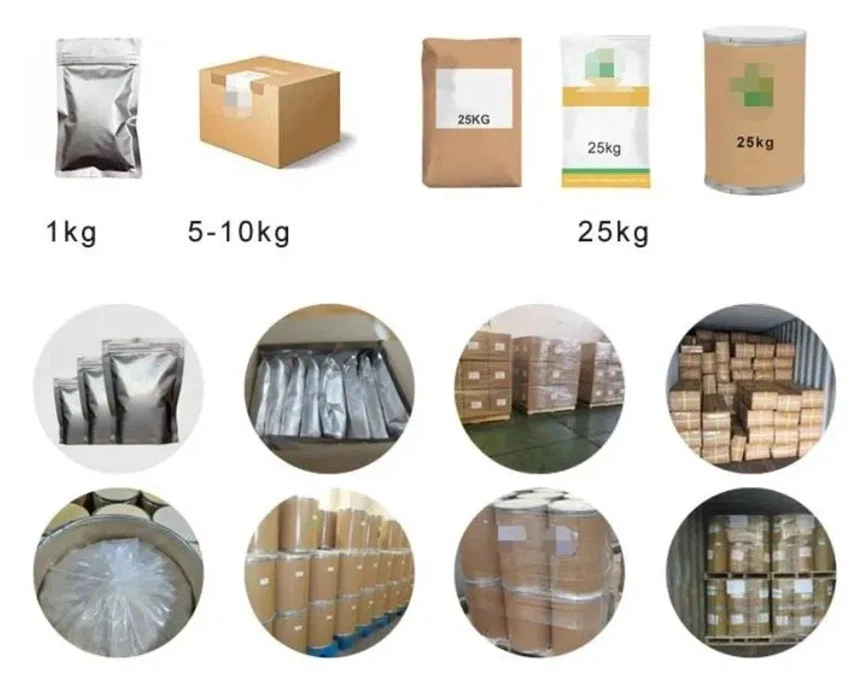
● For Small Samples Quantity <1 Kilograms
Inside we use double resealable zip bags and outside with aluminium Foil Bags.
● For Medium Quanity 1-25 Kilograms
Inside we use double resealable zip bags and outside with aluminium Foil Bags, then packed in cartons or small drums for shipping.
● For Larger Quanity >25 Kilograms
Inside we use double resealable zip bags and outside with aluminium Foil Bags OR bigger size double seal PET bags for 25kgs in bulk then packed in drums for shipping.
● EMS Around 7-10 working days
● DHL Around 3-5 working days
● Fedex Around 4-6 working days
● TNT Around 6-7 working days
● By Air Around 5-7 working days
● By Sea Around 15-30 working days

Our Certificate
FAQ
We're professional proteins manufacturers and suppliers in China, specialized in providing high quality customized products. We warmly welcome you to buy discount proteins in stock here from our factory. Contact us for quotation.
