

Are synthetic sweeteners used in baby food (in some cases)?
Dec 18, 2025
Hey there! As a supplier of synthetic sweeteners, I often get asked about the use of these sweeteners in baby food. It's a hot - button topic, and understandably so. Parents are always concerned about what goes into their little ones' mouths, and rightfully so.
Let's start by getting clear on what synthetic sweeteners are. These are substances that are artificially made to mimic the taste of sugar. They're usually much sweeter than regular sugar, which means you can use a tiny bit to get a big sweet kick.
Now, the question of whether synthetic sweeteners are used in baby food is a bit of a mixed bag. In some cases, yes, they are used, but in very specific and regulated ways.
One common reason for using synthetic sweeteners in baby food is to reduce the calorie content. Babies don't need a whole lot of calories, and too much sugar can lead to issues like early tooth decay and unhealthy weight gain later on. With synthetic sweeteners, baby food manufacturers can provide a sweet taste without all those extra calories.
Another reason is shelf - life. Some synthetic sweeteners have preservative properties. They can help keep the baby food fresh for longer periods, which is super important for commercial products.
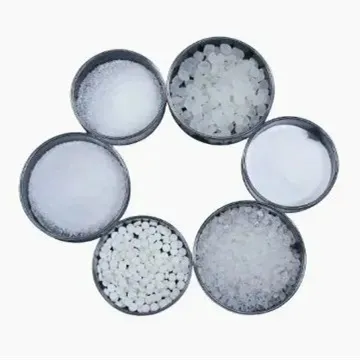

Let's talk about some of the synthetic sweeteners that might show up in baby food. One that you might have heard of is Saccharin. Saccharin has been around for ages. It's an artificial sweetener that's incredibly sweet, hundreds of times sweeter than regular sugar in fact. It's been used in various food products over the years, and in some cases, it can be found in baby food. But it's important to note that the use of saccharin in baby food is strictly regulated. There are limits to how much can be added, and these limits are set to ensure the safety of our little ones.
Saccharin has had a bit of a rocky past. There were concerns in the past about its safety, with some studies suggesting a possible link to cancer. But subsequent research has shown that when used within the approved limits, it's safe for consumption. Still, because of its history, its use in baby food is carefully monitored.
Then there's Dextrose Monohydrate CAS 5996 - 10 - 1. This is a type of synthetic sweetener that's often used as a source of energy. It's a simple sugar that can be quickly absorbed by the body. In baby food, it can be used to provide a quick energy boost, especially for babies who might be a bit sluggish or need a little extra pick - me - up. It's also relatively gentle on a baby's digestive system, which is a huge plus.
Mannitol is another one. Mannitol is a sugar alcohol. It has a sweet taste, but it's lower in calories than regular sugar. In baby food, it can be used as a sweetening agent as well as a bulking agent. It helps give the baby food the right texture and consistency, which is crucial for little ones who are just learning how to eat.
But here's the thing: the use of synthetic sweeteners in baby food isn't without controversy. Some people believe that babies should only be exposed to natural foods and that synthetic sweeteners have no place in their diet. They worry that the long - term effects of these sweeteners on a baby's developing body aren't fully understood.
As a supplier, I totally understand these concerns. That's why we work closely with food manufacturers to ensure that the synthetic sweeteners we provide are used safely. We follow all the regulations set by the relevant authorities, and we're constantly researching and testing our products to make sure they're of the highest quality.
When it comes to the safety of synthetic sweeteners in baby food, multiple studies have been conducted. Regulatory bodies around the world, such as the FDA in the United States, have set strict guidelines regarding their use. These guidelines are based on scientific research and are designed to protect the health of babies.
For instance, the acceptable daily intake (ADI) of each synthetic sweetener is clearly defined. This means that as long as baby food manufacturers stay within these limits, the risk of any negative health effects is extremely low.
It's also important to note that the use of synthetic sweeteners in baby food isn't widespread. Most baby food manufacturers are very cautious and use these sweeteners sparingly, if at all. They often opt for more natural sweetening options, like pureed fruits, when possible.
As a synthetic sweeteners supplier, I'm always looking for ways to improve the products we offer. We're investing in research to develop new and safer synthetic sweeteners that can be used in baby food. We're also working on educating food manufacturers about the proper use of these sweeteners to ensure the best possible outcomes for babies.
If you're a food manufacturer and you're considering using synthetic sweeteners in your baby food products, I'd love to have a chat with you. We have a wide range of high - quality synthetic sweeteners that meet all the necessary safety standards. We can work together to find the best solution for your products, whether it's reducing calories, extending shelf - life, or improving texture.
Contact us to start a conversation about your synthetic sweetener needs. We're here to support you every step of the way and help you create safe and delicious baby food products.
References
- Various research studies on the safety and use of synthetic sweeteners in food.
- Regulations and guidelines set by international food regulatory bodies.