

Can fungal extracts be used in the production of filters?
Jan 05, 2026
In recent years, the exploration of natural resources for various industrial applications has gained significant momentum. Among these, fungal extracts have emerged as a promising area of research, with potential uses spanning from pharmaceuticals to food additives. As a supplier of high - quality fungal extracts, I've been constantly intrigued by the question: Can fungal extracts be used in the production of filters? In this blog, we will delve into the scientific aspects of this question, exploring the potential benefits, challenges, and current research in this field.
The Unique Properties of Fungal Extracts
Fungal extracts are rich in a variety of bioactive compounds, including polysaccharides, proteins, and secondary metabolites such as alkaloids and terpenoids. These compounds endow fungal extracts with unique physical and chemical properties. For example, polysaccharides in fungal extracts often have high molecular weights and can form hydrogels with good water - holding capacity. Some fungal proteins possess surface - active properties, which can affect the surface tension and wetting behavior of materials.
The antimicrobial properties of fungal extracts are also well - documented. Many fungi produce substances that can inhibit the growth of bacteria, fungi, and even viruses. For instance, extracts from Cordyceps Sinensis Extract have been shown to have antibacterial effects against a wide range of pathogens. This property could be particularly useful in filter production, as it can help prevent the growth of microorganisms on the filter surface, which is crucial for applications such as air and water filtration in environments where microbial contamination is a concern.
Potential Applications of Fungal Extracts in Filter Production
Air Filters
In modern society, air pollution has become a pressing issue. Particulate matter, volatile organic compounds (VOCs), and microorganisms are among the main pollutants in the air. Fungal extracts can potentially be used in air filters in multiple ways.
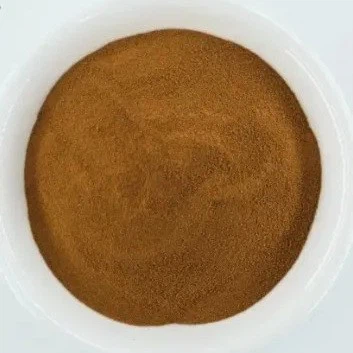

First, the bio - sorptive properties of fungal extracts can be harnessed to capture pollutants. The polysaccharides in fungal extracts can form complex networks that can trap particulate matter. Some fungal secondary metabolites can also react with VOCs, facilitating their removal from the air. Additionally, the antimicrobial properties mentioned earlier can prevent the growth of mold and bacteria on the air filter, which not only improves the lifespan of the filter but also reduces the risk of secondary microbial pollution.
Water Filters
Water filtration is another area where fungal extracts may find applications. In water treatment, removing contaminants such as heavy metals, organic pollutants, and pathogens is essential. Fungal extracts can act as natural adsorbents for heavy metals. The functional groups in the bioactive compounds of fungal extracts, such as carboxyl and hydroxyl groups, can bind to metal ions through chelation or ion - exchange mechanisms.
For organic pollutants, some fungal enzymes in the extracts can catalyze the degradation of these compounds. This is especially important for addressing emerging contaminants such as pharmaceuticals and personal care products that are difficult to remove using traditional water treatment methods. Moreover, the antimicrobial activity of fungal extracts can help in the disinfection of water by inhibiting the growth of harmful bacteria and viruses.
Liquid Filtration in Industrial Processes
In industrial settings, liquid filtration is often required to separate impurities from various fluids. Fungal extracts can be used to modify the surface properties of filter materials. By coating the filter media with fungal extracts, the wettability and selectivity of the filter can be altered. This can lead to improved filtration efficiency, reduced fouling, and better separation of different components in the liquid.
Challenges in Using Fungal Extracts in Filter Production
While the potential of fungal extracts in filter production is exciting, there are several challenges that need to be addressed.
Standardization
The composition of fungal extracts can vary significantly depending on the fungal strain, growth conditions, and extraction methods. This variability makes it difficult to ensure consistent quality and performance of the filters. To overcome this, strict quality control measures need to be established, including standardized extraction processes, quality assessment criteria for the extracts, and batch - to - batch consistency checks.
Compatibility with Filter Materials
Fungal extracts need to be compatible with the base materials of the filters. For example, in air filters, the extract should not cause degradation of the filter fibers or reduce their mechanical strength. In water filters, the extract should not leach into the treated water and cause secondary pollution. Extensive research is required to identify the most suitable combinations of fungal extracts and filter materials and to develop appropriate coating or incorporation techniques.
Cost - effectiveness
The production of fungal extracts can be costly, especially when considering the need for large - scale production for filter manufacturing. Factors such as the cost of fungal cultivation, extraction equipment, and purification processes all contribute to the overall cost. To make the use of fungal extracts in filter production economically viable, innovative cultivation and extraction methods need to be developed to reduce costs without sacrificing quality.
Current Research and Future Prospects
There is growing research interest in the use of fungal extracts in filter production. Some studies have already demonstrated the feasibility of using fungal - based materials in small - scale filtration experiments. For example, research has shown that fungal mycelium composites can be used as effective filters for the removal of heavy metals from water.
In the future, we can expect more in - depth research in this area. With the development of genetic engineering techniques, it may be possible to modify fungi to produce extracts with more targeted and enhanced properties for filter applications. Additionally, advances in material science can help in the development of better - designed filters that can fully utilize the properties of fungal extracts.
As a supplier of fungal extracts, we are committed to supporting the research and development in this field. We can provide high - quality extracts such as Cordyceps Flower Extract and Cordyceps Sinensis Extract, which have unique properties that could be explored in filter production.
If you are interested in exploring the use of fungal extracts in your filter production process, or if you have any questions or ideas, we encourage you to contact us for further discussion. We are eager to collaborate with you to unlock the full potential of fungal extracts in this exciting new application area.
References
- Brown, A. J. P., & Gow, N. A. R. (Eds.). (2019). Medical Mycology: Cellular and Molecular Aspects. CABI.
- Chen, Y., & Ji, Y. (2016). Cordyceps sinensis: A medicinal mushroom with immunomodulatory and anti-tumor activities. Medicinal Research Reviews, 36(2), 297 - 327.
- Papinutti, L. (2018). Fungi in Environmental Bioremediation: Natural Tools for a Clean Environment. Wiley - Blackwell.