

Can plant base proteins be used in protein shakes?
Oct 21, 2025
Can plant base proteins be used in protein shakes? You bet they can! And as a plant base proteins supplier, I'm here to tell you why they're not only a great option but often a superior choice for protein shakes.
Let's start by talking about what protein shakes are all about. Protein shakes are a convenient way to get an extra dose of protein, whether you're an athlete looking to build muscle, someone trying to manage their weight, or just someone who wants to make sure they're meeting their daily protein needs. Traditionally, whey protein has been the go - to for protein shakes. But in recent years, plant base proteins have been making a huge splash in the market.
One of the main reasons plant base proteins are so great for protein shakes is their nutritional profile. Take Yellow Pea Protein Isolate 85% for example. Yellow pea protein is a complete protein, which means it contains all nine essential amino acids that our bodies can't produce on their own. It's also rich in iron, which is super important for carrying oxygen in our blood. When you use yellow pea protein in a shake, you're not just getting protein; you're getting a whole bunch of other nutrients too.
Another awesome plant base protein is High Quality 100% Natural Potato Protein Peptide Powder. Potato protein is hypoallergenic, which is a big deal for people with food allergies. A lot of folks are allergic to dairy, soy, or other common protein sources, but potato protein is a safe alternative. It also has a high biological value, which means our bodies can easily absorb and use the protein.
And then there's Oat Protein Powder Food Grade 99% Hydrolyzed Oat Protein. Oat protein is not only a good source of protein but also contains beta - glucan, a type of fiber that can help lower cholesterol levels. It gives your protein shake a nice, creamy texture, and it's a great option for those who are looking for a more natural and whole - food - based protein source.
Now, let's talk about the taste. I know some people are worried that plant base proteins won't taste as good as whey protein in shakes. But that's just not true anymore. With advances in food technology, plant base proteins can be formulated to taste really great. You can mix them with fruits, nut butters, and other ingredients to create delicious and nutritious shakes. For example, you can make a banana - peanut butter shake with yellow pea protein. The banana adds natural sweetness, and the peanut butter gives it a rich, creamy flavor.
One of the other benefits of using plant base proteins in protein shakes is their environmental impact. Animal agriculture is a major contributor to greenhouse gas emissions, deforestation, and water pollution. On the other hand, growing plants for protein production generally has a much lower environmental footprint. By choosing plant base proteins for your shakes, you're not only doing good for your body but also for the planet.
Let's also consider the digestibility factor. Some people have trouble digesting whey protein, especially those with lactose intolerance. Plant base proteins are often easier on the digestive system. For instance, potato protein is very gentle and can be a great option for people with sensitive stomachs. You won't have to deal with bloating, gas, or other digestive discomforts that sometimes come with whey protein shakes.
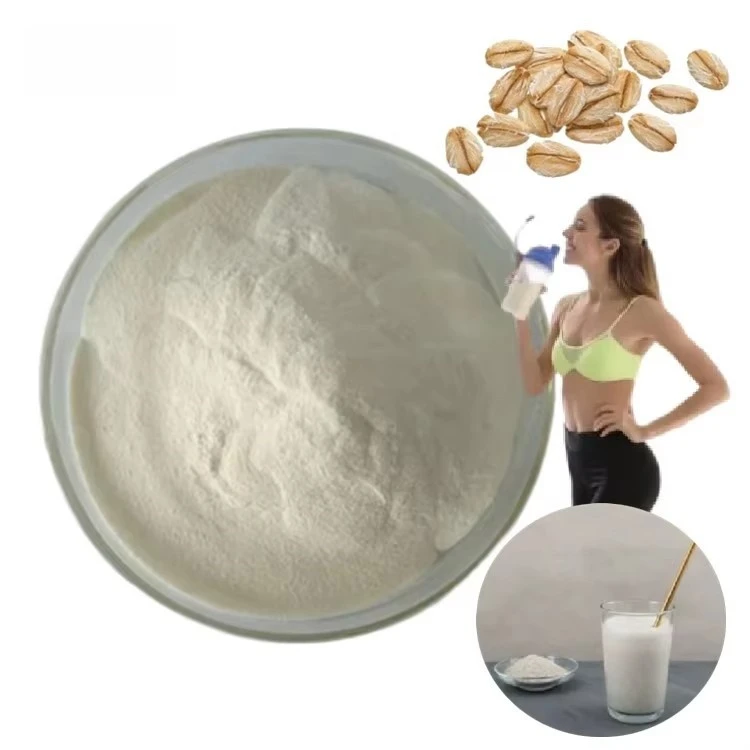

In terms of versatility, plant base proteins are a winner. You can use them in all sorts of protein shakes. Whether you want a pre - workout shake to give you an energy boost, a post - workout shake to help with muscle recovery, or a meal replacement shake, plant base proteins can fit the bill. You can also use them in baking. For example, you can add yellow pea protein to your pancake batter to make protein - rich pancakes.
Now, I know there are still some skeptics out there. They might say that plant base proteins don't have as much protein per serving as whey protein. Well, that's not always the case. Many plant base protein powders are highly concentrated and can provide just as much protein as whey protein powders. And even if the protein content per serving is a little lower, you can always adjust the amount you use in your shake.
Another concern some people have is the cost. It's true that in the past, plant base proteins were sometimes more expensive than whey protein. But as the demand for plant base proteins has increased, the prices have become more competitive. And when you consider the health benefits, the environmental impact, and the taste, the cost is definitely worth it.
So, to sum it all up, plant base proteins are an excellent choice for protein shakes. They offer a wide range of nutritional benefits, are easy to digest, taste great, and are better for the environment. Whether you're a vegan, vegetarian, or just looking to diversify your protein sources, plant base proteins have a lot to offer.
If you're interested in trying out our plant base proteins for your protein shakes or have any questions about our products, we'd love to hear from you. Reach out to us to start a conversation about procurement and see how our high - quality plant base proteins can meet your needs.
References
- Smith, J. (2020). The Benefits of Plant - Based Proteins. Journal of Nutrition and Health.
- Brown, A. (2021). Environmental Impact of Protein Sources. Sustainability Review.
- Green, C. (2019). Digestibility of Different Protein Types. Digestive Health Journal.