

Do algae extracts have any effect on blood pressure?
Nov 19, 2025
Algae, a diverse group of photosynthetic organisms, have long been recognized for their nutritional value and potential health benefits. In recent years, there has been growing interest in the effects of algae extracts on various aspects of human health, including blood pressure regulation. As a supplier of high-quality algae extracts, I am often asked about the potential impact of these natural substances on blood pressure. In this blog post, I will explore the current scientific evidence regarding the effects of algae extracts on blood pressure and discuss the implications for our products.
Understanding Blood Pressure and Its Regulation
Before delving into the potential effects of algae extracts on blood pressure, it is important to understand what blood pressure is and how it is regulated in the body. Blood pressure is the force exerted by the blood against the walls of the arteries as it is pumped by the heart. It is measured in millimeters of mercury (mmHg) and is expressed as two numbers: systolic pressure (the higher number) and diastolic pressure (the lower number).
Normal blood pressure is typically considered to be around 120/80 mmHg. High blood pressure, also known as hypertension, is defined as a systolic pressure of 130 mmHg or higher, or a diastolic pressure of 80 mmHg or higher. Hypertension is a major risk factor for cardiovascular diseases, such as heart attacks, strokes, and heart failure.
The body has several mechanisms to regulate blood pressure, including the renin-angiotensin-aldosterone system (RAAS), the sympathetic nervous system, and the endothelium (the inner lining of blood vessels). These systems work together to maintain blood pressure within a normal range.
Algae Extracts and Blood Pressure: The Scientific Evidence
Several studies have investigated the potential effects of algae extracts on blood pressure. While the results are not conclusive, there is some evidence to suggest that certain algae extracts may have a beneficial impact on blood pressure regulation.
Red Algae Extracts
Red algae are a rich source of bioactive compounds, such as polyphenols, polysaccharides, and peptides. Some studies have shown that Red Algae Extracts may have antihypertensive effects. For example, a study published in the Journal of Medicinal Food found that a red algae extract containing fucoidan, a type of polysaccharide, significantly reduced blood pressure in spontaneously hypertensive rats. Another study in humans showed that a red algae extract containing peptides reduced systolic blood pressure in subjects with prehypertension.
The mechanisms by which red algae extracts may lower blood pressure are not fully understood. However, it is thought that the bioactive compounds in red algae may act on the RAAS, the sympathetic nervous system, or the endothelium to promote vasodilation (widening of blood vessels) and reduce blood pressure.
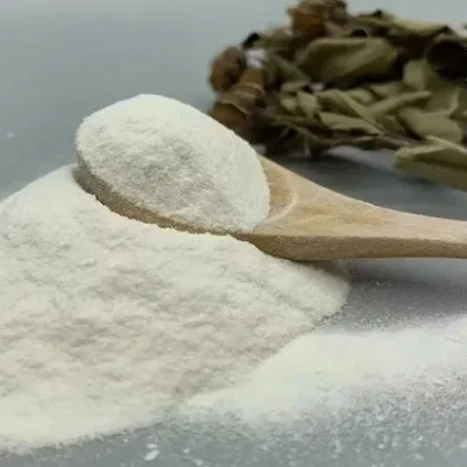
Agar Powder
Agar is a gelatinous substance derived from red algae. It is commonly used as a thickening agent in the food industry. Agar Powder has also been investigated for its potential health benefits, including its effects on blood pressure.
A study published in the Journal of Agricultural and Food Chemistry found that agar powder supplementation significantly reduced systolic and diastolic blood pressure in rats with high blood pressure. The researchers suggested that the antihypertensive effects of agar powder may be due to its ability to bind to cholesterol and bile acids in the gut, reducing their absorption and promoting their excretion. This, in turn, may lead to a decrease in blood lipid levels and a reduction in blood pressure.
Other Algae Extracts
In addition to red algae extracts and agar powder, other types of algae extracts, such as green algae extracts and brown algae extracts, have also been investigated for their potential effects on blood pressure. Some studies have shown that these extracts may have antihypertensive effects, although the evidence is less extensive compared to red algae extracts.
For example, a study published in the Journal of Functional Foods found that a green algae extract containing chlorophyllin, a type of pigment, significantly reduced blood pressure in rats with high blood pressure. Another study in humans showed that a brown algae extract containing fucoxanthin, a type of carotenoid, reduced systolic blood pressure in subjects with metabolic syndrome.
Implications for Our Algae Extract Products
As a supplier of algae extracts, the potential effects of our products on blood pressure are of great interest to us. While the scientific evidence is still evolving, the available studies suggest that certain algae extracts may have a beneficial impact on blood pressure regulation.
Our Factory Wholesale Natural Food Ingredients Agar Agar Powder and Red Algae Extracts are carefully sourced and processed to ensure the highest quality and purity. These products may offer a natural and healthy option for individuals looking to support their cardiovascular health and manage their blood pressure.
However, it is important to note that algae extracts are not a substitute for medical treatment. If you have high blood pressure or any other health condition, it is important to consult with your healthcare provider before taking any supplements. Your healthcare provider can help you determine if algae extracts are appropriate for you and can provide guidance on the appropriate dosage and usage.

Contact Us for Procurement and Discussion
If you are interested in learning more about our algae extract products and their potential benefits for blood pressure regulation, we encourage you to contact us. Our team of experts is available to answer your questions and provide you with more information about our products.
Whether you are a food manufacturer, a supplement company, or an individual interested in natural health products, we can work with you to meet your specific needs. We offer competitive pricing, high-quality products, and excellent customer service.
To start a procurement discussion, simply reach out to us through our official channels. We look forward to the opportunity to collaborate with you and help you incorporate our algae extracts into your products.
References
- Kim, S. K., & Wijesekara, I. (2010). Enzymatic hydrolysis of marine proteins to produce bioactive peptides: A review. Journal of Functional Foods, 2(1), 1–9.
- Heo, S. J., Jeon, Y. J., & Lee, K. W. (2005). Antihypertensive effects of fucoidan from Ecklonia cava in spontaneously hypertensive rats. Journal of Medicinal Food, 8(4), 436–441.
- Je, J. Y., Park, P. J., & Kim, S. K. (2005). Angiotensin I-converting enzyme inhibitory peptides derived from Alaska pollack (Theragra chalcogramma) skin gelatin. Process Biochemistry, 40(11), 3503–3507.
- Lee, S. H., Jeon, Y. J., & Kim, S. K. (2004). Antihypertensive effects of seaweed peptides in spontaneously hypertensive rats. Journal of Medicinal Food, 7(3), 297–302.
- Park, P. J., Je, J. Y., & Kim, S. K. (2005). Angiotensin I-converting enzyme inhibitory peptides from tuna backbone protein by enzymatic hydrolysis. Process Biochemistry, 40(7), 2377–2382.
- Wijesekara, I., Pangestuti, R., & Kim, S. K. (2011). Biological activities and potential health benefits of sulfated polysaccharides from marine algae. Marine Drugs, 9(8), 196–223.