

What are the applications of fungal extracts in the textile industry?
Dec 22, 2025
Fungi have long fascinated humankind with their diverse biological properties and unique metabolic capabilities. In recent years, the textile industry has started to explore the vast potential of fungal extracts, which offer innovative solutions to traditional challenges and open up new avenues for sustainable and high - performance textiles. As a leading supplier of fungal extracts, we are excited to share the various applications of these extracts in the textile industry.
Antimicrobial Properties
One of the most significant applications of fungal extracts in the textile industry is their use as natural antimicrobial agents. Many fungi produce secondary metabolites with strong antibacterial and antifungal properties. These metabolites can inhibit the growth of harmful microorganisms such as bacteria, fungi, and yeasts on textiles.
For example, the extract from Cordyceps Sinensis Extract has shown promising antimicrobial activity. Cordyceps sinensis is a well - known fungus in traditional Chinese medicine, and its extract contains bioactive compounds like polysaccharides and nucleosides. When incorporated into textile fibers, these compounds can prevent the growth of odor - causing bacteria, keeping the fabric fresh and hygienic for longer periods. This is particularly useful in sportswear and underwear, where moisture and warmth create an ideal environment for microbial growth.
Another example is Cordyceps Flower Extract. Cordyceps flower is a species closely related to Cordyceps sinensis, and its extract also possesses antibacterial properties. Textiles treated with Cordyceps flower extract can be used in medical textiles, such as wound dressings. The antimicrobial activity of the extract helps reduce the risk of infection by preventing the colonization of bacteria on the wound surface.
Dyeing and Coloration
Fungal extracts can also be used as natural dyes in the textile industry. Unlike synthetic dyes, which often have environmental and health concerns associated with their production and use, fungal dyes are more sustainable and eco - friendly.
Many fungi produce pigments that can be extracted and used to color textiles. For instance, some species of fungi produce melanin - like pigments. These pigments can be used to create a range of earthy tones, from light brown to dark black, on textile fibers. Fungal dyes can be applied to various types of fabrics, including cotton, wool, and silk.
The process of using fungal extracts as dyes is relatively simple. First, the fungal pigments are extracted using appropriate solvents. Then, the extract is applied to the textile fibers through methods such as dipping, spraying, or padding. The natural dyes from fungi often have good color fastness, meaning they do not fade easily when exposed to light, washing, or rubbing. This makes them a viable alternative to synthetic dyes in the production of high - quality, sustainable textiles.
Flame Retardancy
In recent years, there has been an increasing demand for flame - retardant textiles, especially in applications such as upholstery, aviation, and automotive interiors. Fungal extracts can offer a natural and effective solution to this problem.
Some fungi produce compounds that can act as flame retardants. For example, certain polysaccharides and phenolic compounds found in fungal extracts can form a char layer on the surface of the textile when exposed to fire. This char layer acts as a barrier, preventing the spread of flames and reducing the heat release rate.
The advantage of using fungal extracts as flame retardants is that they are less toxic compared to traditional chemical flame retardants. Traditional flame retardants often contain heavy metals or halogenated compounds, which can be harmful to the environment and human health. Fungal - based flame retardants provide a more sustainable and safer option for the textile industry.
UV Protection
As concerns about skin cancer and the harmful effects of ultraviolet (UV) radiation grow, there is a need for textiles with enhanced UV protection. Fungal extracts can play a role in this area.
Some fungal metabolites have the ability to absorb UV radiation. When incorporated into textile fibers, these compounds can act as natural UV filters, protecting the wearer from the damaging effects of the sun. For example, certain polyphenols and carotenoids found in fungal extracts have been shown to have UV - absorbing properties.
Textiles treated with fungal extracts for UV protection can be used in outdoor clothing, such as sun hats, shirts, and swimwear. These products can provide an additional layer of protection against UV rays, reducing the risk of sunburn and skin damage.
Biodegradability and Sustainability
In an era of increasing environmental awareness, the textile industry is under pressure to adopt more sustainable practices. Fungal extracts offer several advantages in terms of biodegradability and sustainability.
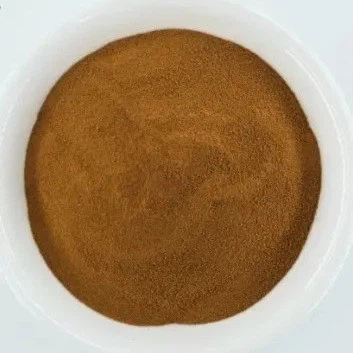

Textiles treated with fungal extracts are often more biodegradable compared to those treated with synthetic chemicals. Fungi are natural decomposers, and the compounds they produce are more easily broken down by microorganisms in the environment. This means that when these textiles reach the end of their life cycle, they can be disposed of in a more environmentally friendly way.
Moreover, the production of fungal extracts is generally more sustainable than the production of synthetic chemicals. Fungi can be grown on a variety of substrates, including agricultural waste, which reduces the demand for non - renewable resources. This makes fungal extracts a promising option for the development of sustainable textiles.
Challenges and Future Directions
While the applications of fungal extracts in the textile industry are promising, there are still some challenges to overcome. One of the main challenges is the standardization of the extraction and application processes. The quality and properties of fungal extracts can vary depending on the fungal strain, growth conditions, and extraction methods. Therefore, it is necessary to develop standardized protocols to ensure the consistency and reproducibility of the final products.
Another challenge is the cost - effectiveness of using fungal extracts. Currently, the production of fungal extracts can be relatively expensive compared to synthetic chemicals. However, with the development of more efficient production methods and economies of scale, the cost is expected to decrease in the future.
In the future, we can expect to see more research and development in the area of fungal extracts for textiles. New fungal species may be discovered with unique properties, and the combination of different fungal extracts may lead to the development of multifunctional textiles. For example, a textile could be treated with a combination of fungal extracts for antimicrobial activity, UV protection, and flame retardancy.
We, as a fungal extracts supplier, are committed to working with the textile industry to overcome these challenges and realize the full potential of fungal extracts in textile applications. If you are interested in exploring the use of our fungal extracts in your textile products, we invite you to contact us for a procurement discussion. We can provide you with samples, technical support, and customized solutions to meet your specific needs.
References
- Gupta, R., & Henley, S. (2018). Natural dyes from fungi: a review of traditional and modern applications in textiles. Journal of Natural Fibers, 15(3), 363 - 376.
- Chen, Y., & Liu, X. (2019). Antimicrobial properties of fungal extracts and their potential applications in textiles. International Journal of Antimicrobial Agents, 53(6), 789 - 795.
- Zhang, L., & Wang, X. (2020). Flame retardancy of textiles treated with natural extracts: a review. Journal of Cleaner Production, 275, 123801.