

What are the differences between lactitol and other natural sweeteners?
Nov 12, 2025
Hey there! As a supplier of natural sweeteners, I've had my fair share of questions about the different types out there. One sweetener that often gets asked about is lactitol. So, I thought I'd take a deep dive and talk about the differences between lactitol and other natural sweeteners.
First off, let's understand what lactitol is. Lactitol is a sugar alcohol, also known as a polyol. It's derived from lactose, which is the sugar found in milk. It has a sweet taste that's similar to sucrose, but with about 40% fewer calories. Now, let's compare it with some other well - known natural sweeteners.
Lactitol vs. Sucrose
Sucrose, commonly known as table sugar, is one of the most widely used sweeteners. You can learn more about it here. Sucrose is a disaccharide made up of glucose and fructose. It has a very high sweetness intensity, and it's what most people are used to when it comes to sweetening their food and drinks.
One of the biggest differences between lactitol and sucrose is the calorie content. As I mentioned earlier, lactitol has about 40% fewer calories than sucrose. This makes it a great option for those who are watching their calorie intake. Another difference is the glycemic index (GI). The GI is a measure of how quickly a carbohydrate raises blood sugar levels. Sucrose has a relatively high GI, which means it can cause a rapid spike in blood sugar. Lactitol, on the other hand, has a much lower GI, so it doesn't cause the same kind of blood sugar rush.

In terms of taste, while both are sweet, lactitol has a slightly cooling effect on the palate, which is not present in sucrose. Also, lactitol doesn't caramelize in the same way as sucrose. When you heat sucrose, it melts and turns into a lovely golden - brown caramel. Lactitol doesn't do this as easily, so it might not be the best choice if you're looking to make caramel - based desserts.
Lactitol vs. Trehalose
Trehalose is another natural sweetener that's gaining popularity. You can find more info about it here. Trehalose is a disaccharide made up of two glucose molecules. It's found in nature in many organisms, including fungi, insects, and some plants.
When it comes to sweetness, trehalose is about 45 - 50% as sweet as sucrose, while lactitol is about 30 - 40% as sweet as sucrose. So, trehalose is a bit sweeter. Trehalose has excellent stability, both in terms of heat and pH. It can withstand high temperatures and different pH levels without breaking down, which makes it great for use in processed foods. Lactitol, while also relatively stable, doesn't have the same level of heat and pH stability as trehalose.
One of the unique properties of trehalose is its ability to protect cells and biomolecules from environmental stresses like dehydration and freezing. This property has led to its use in the pharmaceutical and cosmetic industries. Lactitol doesn't have this kind of cell - protecting property.
In terms of health benefits, both trehalose and lactitol have a low GI. However, trehalose has been shown to have prebiotic effects, which means it can promote the growth of beneficial bacteria in the gut. Lactitol also has some prebiotic properties, but they might not be as well - studied as those of trehalose.
Lactitol vs. Licorice Extract
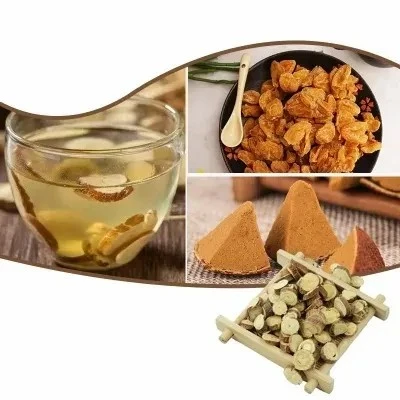
Licorice extract is a natural sweetener that comes from the root of the licorice plant. You can read more about it here. Licorice extract is much sweeter than sucrose, about 50 times sweeter. So, you need a much smaller amount of it to achieve the same level of sweetness as lactitol or other sweeteners.
The taste of licorice extract is very distinct. It has a strong, sweet flavor with a hint of anise or fennel. This unique flavor can be a deal - breaker for some people, especially if they're not used to it. Lactitol has a more neutral, sugar - like taste.
From a health perspective, licorice extract has some potential health benefits. It has anti - inflammatory and antioxidant properties. However, it also contains glycyrrhizin, which can cause high blood pressure and other health problems if consumed in large amounts. Lactitol doesn't have these kinds of potential negative side effects when consumed in normal amounts.
In terms of applications, licorice extract is often used in candies, beverages, and some traditional medicines. Lactitol, on the other hand, is more commonly used in sugar - free products, such as sugar - free chocolates, chewing gums, and diabetic foods.
Other Considerations
When it comes to solubility, lactitol is highly soluble in water, which makes it easy to use in liquid - based products like beverages and syrups. Some other sweeteners might not dissolve as easily, which can be a problem in certain applications.
Another thing to consider is the cost. The cost of lactitol can vary depending on the source and the production process. In general, it might be more expensive than some common sweeteners like sucrose, but it's often more affordable than some of the high - intensity sweeteners.
Also, lactitol has a laxative effect if consumed in large amounts. This is a common side effect of many sugar alcohols. Other sweeteners like sucrose, trehalose, and licorice extract don't have this kind of laxative effect, at least not to the same degree.
Conclusion
So, as you can see, lactitol has its own unique set of characteristics that set it apart from other natural sweeteners. Whether you're looking for a low - calorie option, a sweetener with a low glycemic index, or something with prebiotic properties, lactitol might be a great choice. But it's important to consider the specific needs of your product or diet when choosing a sweetener.
If you're in the market for natural sweeteners, including lactitol, and want to learn more about how they can fit into your products, I'd love to have a chat. We can discuss the best options for your specific requirements and work out a great deal. Don't hesitate to reach out and start a conversation about your sweetener needs.
References
- "Sweeteners: A Guide to Natural and Artificial Options" - A consumer health publication.
- "Handbook of Food Sweeteners" - A comprehensive reference book on different sweeteners.
- Various research papers on the properties and applications of lactitol, sucrose, trehalose, and licorice extract.