

Are there any ethical concerns with sheep whey protein production?
Dec 11, 2025
In the health and fitness industry, sheep whey protein has emerged as a popular supplement, lauded for its high - quality protein content, rich amino acid profile, and potential health benefits. As a supplier of sheep whey protein, I've witnessed firsthand the growing demand for this product. However, with increasing consumer awareness about ethical and sustainable production, it's crucial to delve into the ethical concerns associated with sheep whey protein production.
Animal Welfare
One of the most prominent ethical concerns in sheep whey protein production is animal welfare. Sheep are the primary source of the milk from which whey is derived, and their living conditions, treatment, and overall well - being are of utmost importance.
In large - scale commercial farms, sheep may be subjected to overcrowded living conditions. Limited space restricts their natural behaviors such as grazing, roaming, and socializing. This can lead to stress, which not only affects the animals' quality of life but may also have an impact on the quality of the milk they produce. For instance, stressed animals may have a compromised immune system, which could potentially lead to the use of antibiotics to prevent diseases.
Another aspect of animal welfare is the practice of early separation of lambs from their mothers. In order to collect as much milk as possible for whey production, lambs are often taken away from ewes shortly after birth. This separation can be extremely distressing for both the mother and the lamb. Ewes may show signs of distress and vocalization, while lambs are deprived of the essential colostrum, the first milk rich in antibodies and nutrients that is crucial for their immune system development.
To address these concerns, some producers are adopting more animal - friendly practices. They provide larger grazing areas for sheep, allowing them to exhibit natural behaviors. Additionally, they are delaying the separation of lambs from ewes to ensure that lambs receive adequate colostrum and have a more natural start to life. As a supplier, I am committed to working with producers who prioritize animal welfare. We believe that happy and healthy sheep produce better - quality milk, which in turn results in a superior whey protein product.
Environmental Impact
Sheep whey protein production also has environmental implications that raise ethical questions. The livestock industry, in general, is a significant contributor to greenhouse gas emissions. Sheep, like other ruminants, produce methane during the digestion process. Methane is a potent greenhouse gas, with a much higher global warming potential than carbon dioxide over a 20 - year period.
The large - scale production of sheep whey protein requires significant amounts of land for grazing. This can lead to deforestation and habitat destruction, especially in areas where there is a high demand for agricultural expansion. Moreover, the use of fertilizers and pesticides in the feed production for sheep can contaminate soil and water sources, affecting local ecosystems.
However, there are ways to mitigate these environmental impacts. Some producers are implementing regenerative agriculture practices. These practices focus on building soil health, increasing biodiversity, and reducing the use of synthetic inputs. For example, rotational grazing can be used to improve soil fertility and reduce erosion. By moving sheep between different grazing areas, the land has time to recover, and the soil can sequester more carbon. As a supplier, we are actively promoting these sustainable production methods to our partners, as we believe that environmental sustainability is an integral part of ethical production.
Labor Conditions
The labor conditions in sheep whey protein production are another area of ethical concern. In some regions, workers in the dairy and whey production facilities may be subjected to long working hours, low wages, and poor working conditions. This is especially true in areas where there is a lack of labor regulations or enforcement.
Workers involved in sheep milk collection and processing may be exposed to various health risks, such as repetitive strain injuries from milking machines and exposure to chemicals used in the cleaning and processing of milk. Additionally, they may not have access to proper safety equipment or training.
To ensure ethical labor practices, it is essential to work with producers who provide fair wages, reasonable working hours, and a safe working environment. We, as a supplier, are committed to partnering with producers who adhere to labor standards and treat their workers with respect. By doing so, we can contribute to a more ethical supply chain.
Quality and Transparency
In the market, there is a growing demand for transparency in the production process. Consumers want to know where their products come from, how they are made, and what goes into them. As a supplier of sheep whey protein, we understand the importance of providing accurate and detailed information about our products.
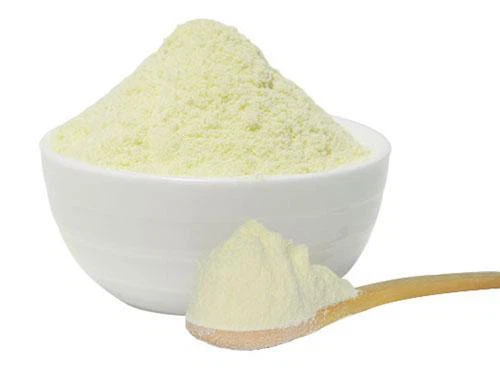
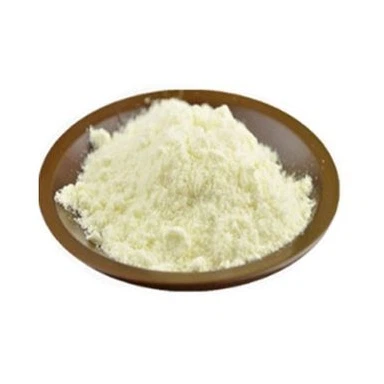
Some producers may cut corners in the production process to reduce costs, which can lead to a lower - quality product. For example, they may use sub - standard filtration methods or add artificial ingredients to enhance the appearance or taste of the whey protein. This lack of quality control not only deceives consumers but also raises ethical concerns.
We are committed to providing high - quality sheep whey protein products. Our products are sourced from trusted producers who follow strict quality control measures. We also provide detailed information about the production process, including the origin of the sheep, the production methods, and the nutritional content of our products. We believe that transparency is key to building trust with our customers.
Our Commitment as a Supplier
As a supplier of sheep whey protein, we are aware of these ethical concerns and are taking steps to address them. We are constantly looking for ways to improve the animal welfare, environmental sustainability, and labor conditions in our supply chain.
We are also offering a range of high - quality products to meet the diverse needs of our customers. For those interested in other protein products, we recommend our Professional Whey Protein Concentrate 80%, Whole Milk 26% - 28% Powder Factory Low Price 25kg, and High Quality Bovine Gelatin. These products are also sourced from reliable producers who share our commitment to ethical production.
If you are interested in purchasing our sheep whey protein or any of our other products, we invite you to contact us for a procurement discussion. We are ready to provide you with more information, samples, and competitive pricing. We believe that by working together, we can promote ethical practices in the protein industry and provide consumers with high - quality, sustainable products.
References
- FAO (Food and Agriculture Organization of the United Nations). (2013). "Tackling Climate Change Through Livestock - A Global Assessment of Emissions and Mitigation Opportunities".
- Grandin, Temple. "Livestock Handling and Transport". CABI, 2010.
- Steinfeld, Henning, et al. "Livestock's Long Shadow: Environmental Issues and Options". FAO, 2006.