

Can cocoa powder cause allergic reactions?
Oct 31, 2025
As a cocoa powder supplier, I've encountered numerous inquiries from customers regarding the safety and potential allergic reactions associated with cocoa powder. This topic is of great significance, not only for consumers' well - being but also for the reputation and sales of our cocoa products. In this blog, I'll explore whether cocoa powder can cause allergic reactions based on scientific evidence.
Understanding Allergic Reactions
An allergic reaction occurs when the immune system mistakenly identifies a harmless substance as a threat. When a person with a food allergy is exposed to the allergen, the immune system releases chemicals such as histamine, which can lead to a range of symptoms. These symptoms can vary from mild, like itching and hives, to severe and life - threatening, such as anaphylaxis.
Cocoa Powder: A Potential Allergen?
Cocoa powder is derived from the cocoa bean, which is the primary ingredient in chocolate and many other confectionery products. While cocoa allergies are relatively rare compared to more common food allergies like those to peanuts, milk, or shellfish, they do exist.
The proteins in cocoa beans are the main culprits behind cocoa allergies. When a person with a cocoa allergy consumes cocoa powder, their immune system reacts to these proteins. The severity of the reaction can vary widely from person to person. Some individuals may experience mild symptoms like a rash, itching, or swelling of the lips, tongue, or throat. Others may have more severe symptoms such as difficulty breathing, abdominal pain, diarrhea, or in extreme cases, anaphylaxis.

Factors Influencing Allergic Reactions
Several factors can influence whether a person will have an allergic reaction to cocoa powder.
- Genetics: A family history of food allergies can increase a person's likelihood of developing a cocoa allergy. If a close relative has a food allergy, the genetic predisposition may make the individual more susceptible to allergic reactions to various foods, including cocoa.
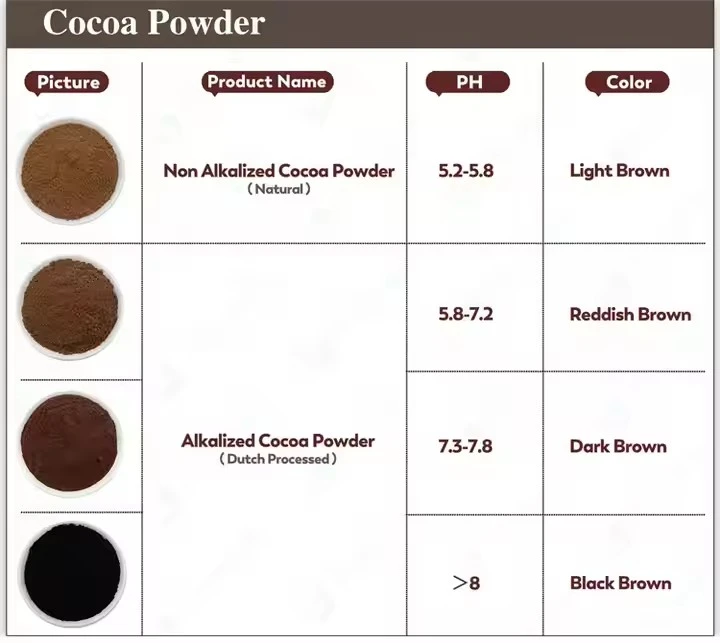
- Degree of Processing: The way cocoa powder is processed can also play a role. For example, natural cocoa powder retains more of the original cocoa bean proteins, which may increase the risk of an allergic reaction. On the other hand, alkalized cocoa powder, which undergoes a process of treating with an alkali, may have a reduced protein content or altered protein structure, potentially reducing the allergenicity. You can check out our High PH Value Very Dark Brown Alkalized Cocoa Powder 10 - 12% Fat and Food Grade Bulk Price Alkalized Cocoa Powder to see how our alkalized products are made.
- Cross - Reactivity: Some individuals with allergies to other foods may experience cross - reactivity with cocoa. For instance, people allergic to latex may also be allergic to cocoa due to the presence of similar proteins.
Identifying Cocoa Allergies
If someone suspects they have a cocoa allergy, it's crucial to seek medical advice. A doctor may perform skin prick tests or blood tests to determine if the individual is allergic to cocoa. In a skin prick test, a small amount of cocoa extract is placed on the skin, and the skin is then pricked to allow the extract to enter. If a raised, itchy bump appears within 15 - 20 minutes, it may indicate an allergy. Blood tests can measure the levels of specific antibodies in the blood that are associated with an allergic reaction.
Managing Cocoa Allergies
For individuals diagnosed with a cocoa allergy, the most effective way to manage the condition is to avoid all products containing cocoa powder. This includes chocolate bars, cocoa - flavored beverages, and many baked goods. Reading food labels carefully is essential, as cocoa may be listed under various names such as cocoa solids, cocoa butter, or chocolate liquor.
In case of accidental exposure, individuals with a known cocoa allergy should carry an epinephrine auto - injector (such as an EpiPen) and know how to use it. Prompt administration of epinephrine can be life - saving in the event of a severe allergic reaction.
Our Cocoa Powder Offerings and Safety
At our company, we understand the importance of providing safe and high - quality cocoa powder. We offer a wide range of cocoa powder products, including Raw Cocoa Powder High Quality Natural Or Alkalized Cocoa Powder. Our production processes are designed to ensure the purity and safety of our products. We conduct rigorous quality control checks at every stage of production to minimize the risk of contamination and to ensure that our cocoa powder meets the highest standards.
We also provide detailed product information, including allergen statements, on our product labels. This helps consumers make informed decisions about whether our cocoa powder is suitable for their dietary needs.
Conclusion
While cocoa powder can cause allergic reactions in some individuals, it's important to note that these allergies are relatively rare. By understanding the factors that contribute to cocoa allergies, how to identify them, and how to manage them, both consumers and suppliers can ensure the safe use of cocoa powder.
If you're interested in purchasing our high - quality cocoa powder products, whether you're a food manufacturer looking for bulk supplies or a retailer seeking unique cocoa offerings, we're here to assist you. Please feel free to reach out to us to start a procurement negotiation. We're committed to providing you with the best possible products and services.
References
- Sicherer, S. H., & Sampson, H. A. (2014). Food allergy: Epidemiology, pathogenesis, diagnosis, and treatment. Journal of Allergy and Clinical Immunology, 133(5), 1256 - 1264.
- Nowak - Wegrzyn, A., & Sampson, H. A. (2011). Food allergy. Pediatrics in Review, 32(10), 401 - 413.
- Taylor, S. L., & Hefle, S. L. (2001). Food allergy. Annual Review of Nutrition, 21, 383 - 408.